
Size Studio
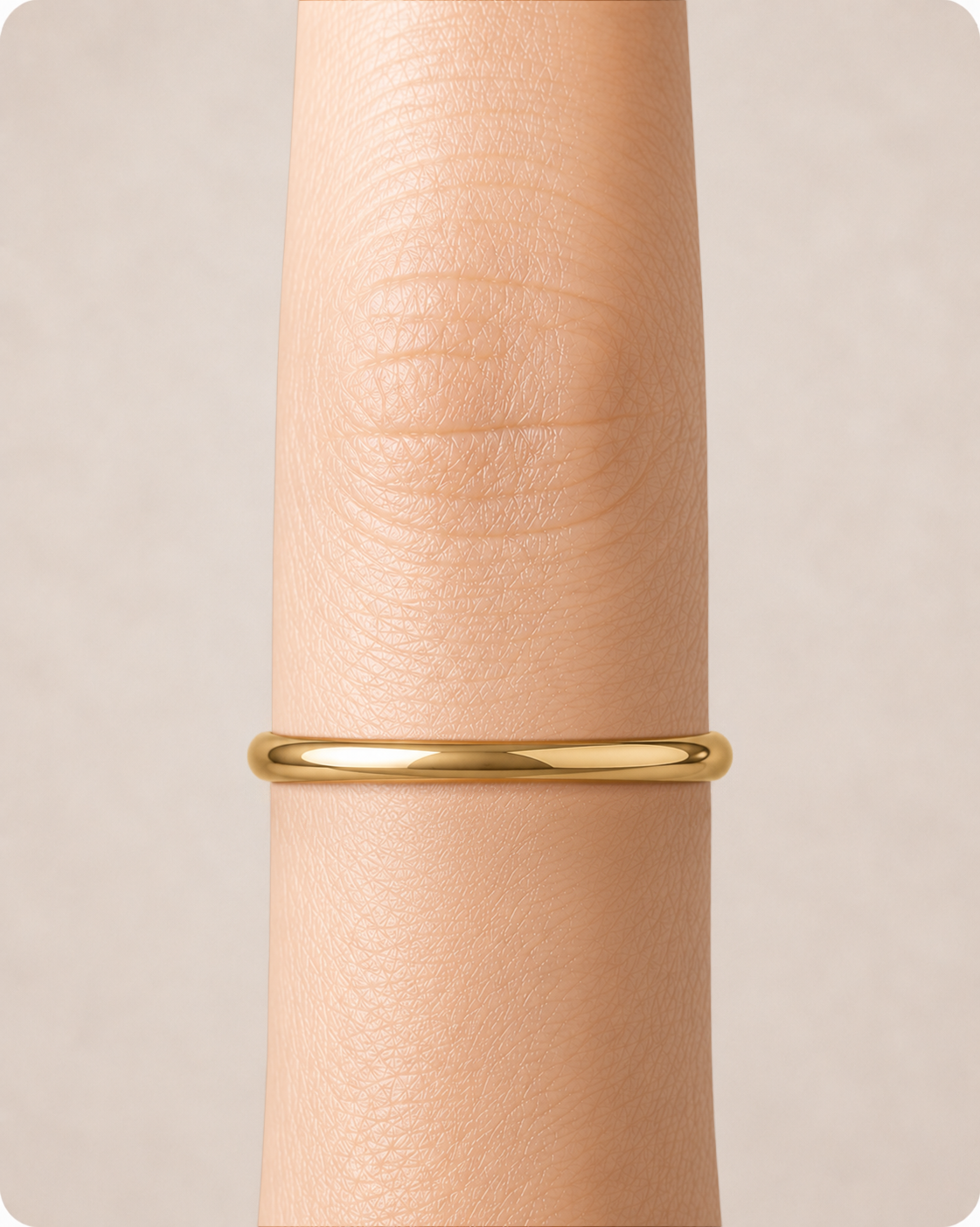
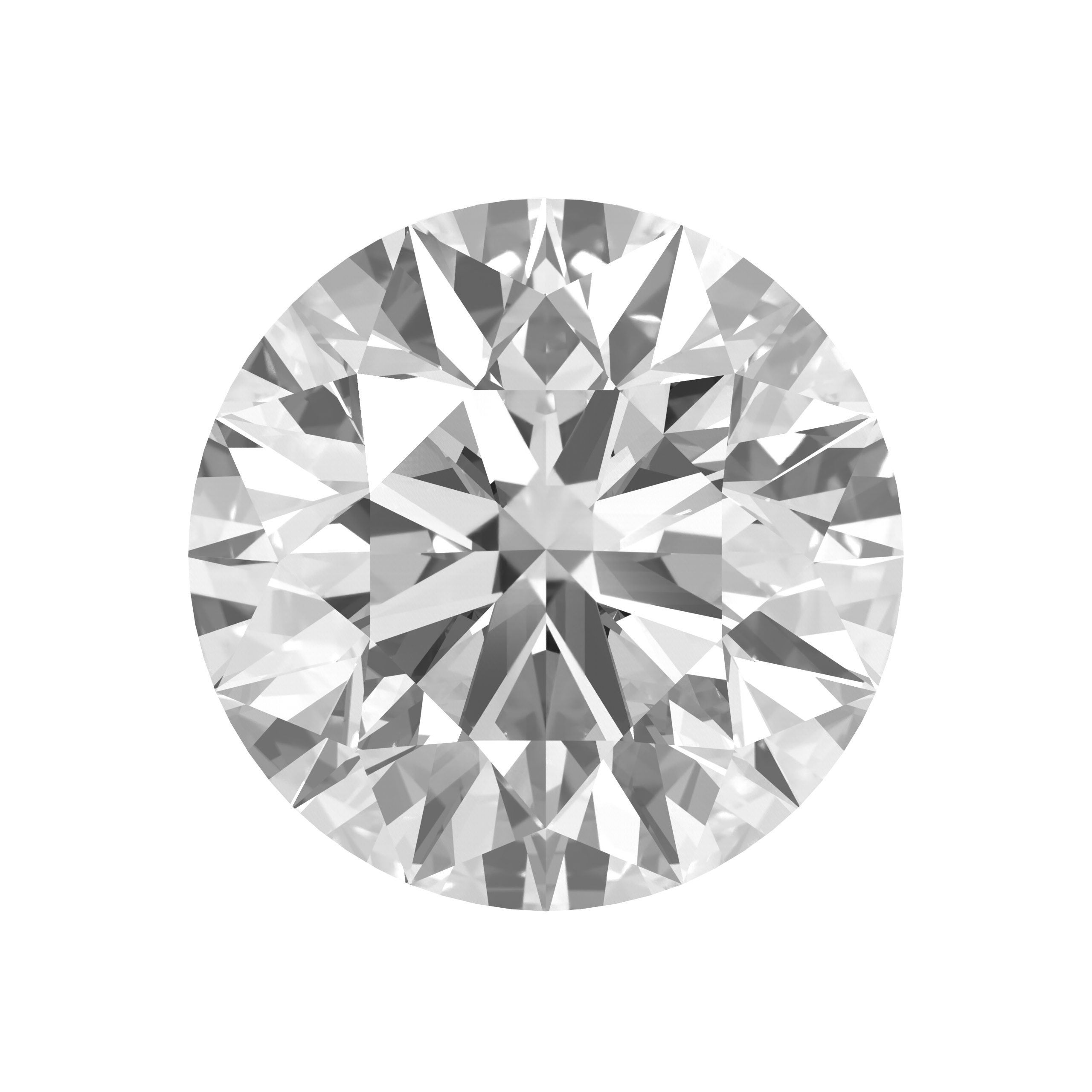
A 2.5-carat round diamond, shown on a size 6 finger.
Compare scale at your pace. We help decide what feels right on the hand.
After you’ve compared
Need help translating this to your ring?
Justin can help you compare apparent size, proportions, setting style, and how the diamond will sit on the hand, including natural and lab-grown options where relevant.
See Diamond Size in Context
Carat weight measures weight, not the visible face-up size you see once a diamond is on the hand. Two stones with identical carat weights can still look different in scale because of diamond shape, proportions, length-to-width ratio, depth, finger size, band width, and orientation. That is why carat versus visible size is such a practical distinction when comparing listings or imagining diamond size on finger before an appointment.
The Diamond Size Studio above is designed to help you understand scale and finger coverage before choosing a center stone. Adjust carat, shape, ring size, band width, and orientation to see how diamond size on hand changes in context—not as an abstract millimeter chart, but as a relative impression on the finger. The same carat can feel quiet on one hand and more present on another; elongated outlines often read differently from rounds. Elongated diamonds and face-up presence and the diamond size on hand guide explain those tendencies in more depth, while the diamond size chart remains a useful millimeter reference beside the visualizer.
Use the Studio as a calibrated visualization for proportion and comparison. Actual appearance varies with exact stone dimensions, screen calibration, viewing distance, setting geometry, and photography or display characteristics. It will not perfectly predict every real-world diamond. When you are ready to move from preview to selection, cut and proportions, diamond shapes, and engagement rings remain useful next steps.
Common questions
Q1How big does a 2 carat diamond look on a hand?
A well-cut 2 carat diamond usually has a stronger visual presence than a 1 carat stone, but the impression still depends on shape, proportions, finger size, and band width. On a smaller finger it can feel substantial; on a larger finger it may read as balanced rather than dramatic. Use the Diamond Size Studio above to compare a 2 carat outline across ring sizes and shapes before deciding what presence feels right.
Q2Does ring size change how large a diamond looks?
Yes. Diamond size on finger is relative. The same stone covers more of a narrower finger and less of a wider one, so presence shifts even when carat weight stays fixed. Adjusting ring size in the Studio is one of the clearest ways to preview that change before you choose a center stone.
Q3Why can two diamonds with the same carat weight look different in size?
Carat measures weight, not face-up size. Shape, depth, table, length-to-width ratio, and cut proportions all change how much surface you see from above. Two diamonds at the same carat can therefore look meaningfully different on the hand. The Studio helps isolate those visual differences; a grading report and in-person review remain essential for a specific stone.
Q4Which diamond shapes tend to look largest for their carat weight?
Elongated shapes such as oval, marquise, pear, radiant, and emerald often create more length or finger coverage than a round of the same carat weight. That does not make them automatically better—only different in outline and presence. Compare shapes at the same carat in the Studio, then weigh beauty, proportion, and personal style together.
Q5Does band width change how large a diamond appears?
It can. A wider band adds visual weight around the center stone and may make the same diamond feel slightly smaller. A finer band often makes the stone feel more prominent. Band width is part of diamond size on hand, not a separate afterthought, which is why the Studio lets you preview width alongside carat, shape, and ring size.
Q6Is the Diamond Size Studio an exact representation of a real diamond?
No. It is a calibrated visualization for proportion and comparison—useful for understanding scale and finger coverage, not a guarantee of how every real stone will look. Exact millimeters, screen calibration, viewing distance, setting geometry, and photography all affect appearance. Treat the Studio as a decision aid, then confirm with the actual diamond and setting.
Editorial & Educational Use
Writing about diamond size, carat weight, or engagement-ring proportions? Selected Diamond Size Studio comparisons may be used for editorial or educational purposes with attribution to Hourglass Diamonds and a link to the Diamond Size Studio.