
The Ultimate Guide to Selecting the Perfect Engagement Ring
The perfect engagement ring doesn’t just sparkle. It feels unmistakably theirs. We’ve seen it happen so many times. People put a ring on their finger, look down, pause, and smile in that quiet way that says, yes, this is me. That’s the moment we’re always aiming for when we talk about diamond engagement rings.
Choosing an engagement ring matters more than people expect. Style, comfort, and craftsmanship don’t just affect how the ring looks on proposal day. They shape how it feels ten, twenty, even thirty years later.
In this blog, we’ll walk you through a clean, step-by-step process for choosing the right engagement ring. We’ll start with style, move into diamonds, then discuss settings, metals, and the practical considerations people often overlook.
Step 1: Pinpoint Their Style and Signature Look
Before you think about carats or clarity charts, pause here. Style comes first. Engagement ring styles say a lot about the person wearing them, even when the design is understated.
Start by looking at the jewelry they already wear:
Do they gravitate toward yellow gold or white metals?
Are their pieces clean and minimal, or detailed and expressive?
Some people love jewelry that feels delicate and low-profile. Others want something sculptural that makes a statement.
Lifestyle matters too, more than most people think. If they’re hands-on at work, travel often, go to the gym regularly, or wear gloves, these details affect how high the ring should sit, how soft the edges should be, and how practical the design will feel day-to-day.
This is where we suggest making two lists:
One for must-haves (diamond shape, metal color, overall vibe).
Another for nice-to-haves (side stones, hidden details, vintage accents).
That clarity makes the entire process smoother.
Style Shortlist (Choose by Personality)
When the options start to blur together, narrow it down to a few styles that are easy to compare:
Solitaire: Clean and timeless. The center stone stays the focus.
Halo: Adds presence and extra sparkle. Profile height matters here for comfort.
Three-stone: Balanced and meaningful, with beautiful finger coverage.
Pavé or vintage-inspired accents: Intricate designs that call for excellent craftsmanship for daily wear.
This is where we prefer to begin, because it keeps the decision grounded before the specifics take over.
Step 2: Choose the Diamond That Fits Your Priorities
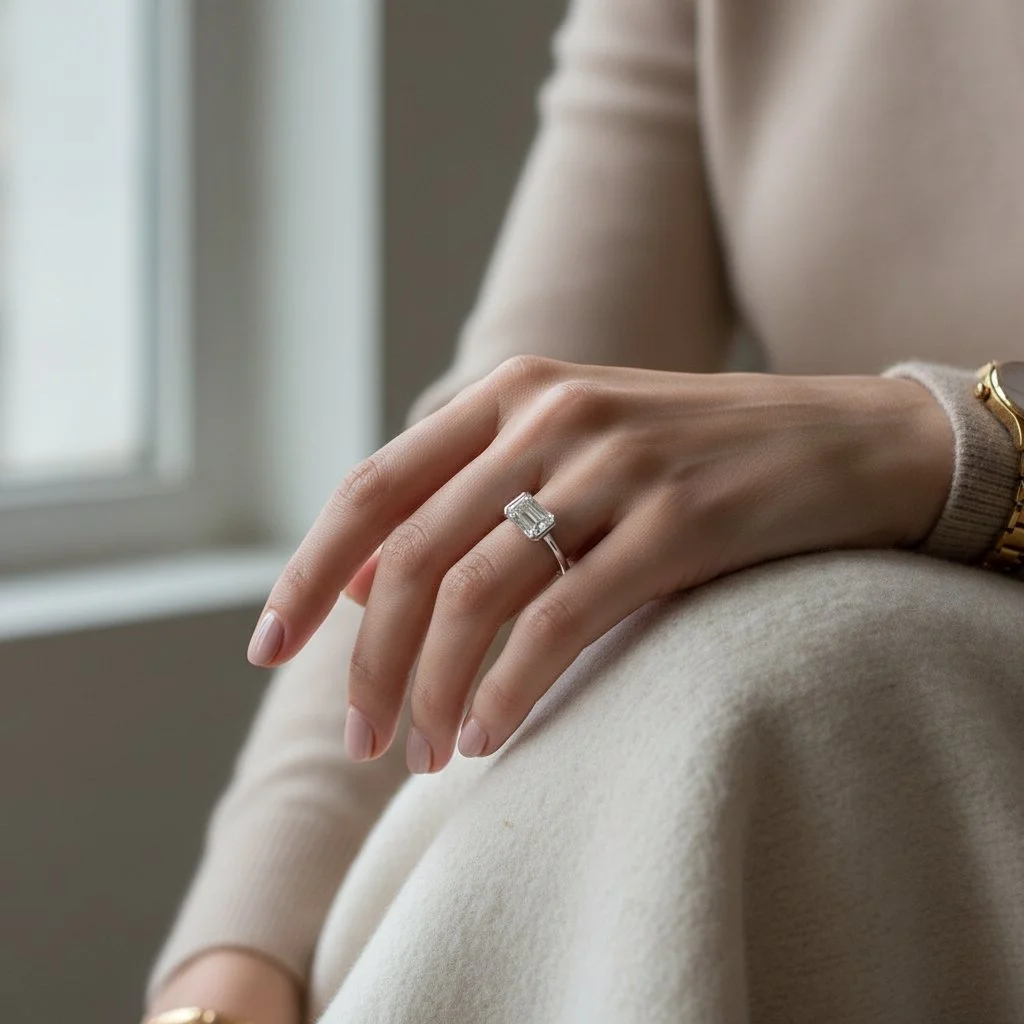
With diamond engagement rings, there isn’t a single “best” diamond. The right diamond is the one that fits what you care about most.
Some people want maximum sparkle. Others want a bigger visual presence. Some prioritize a whiter look. Others want the best value without sacrificing beauty. Choosing a diamond comes down to understanding trade-offs and deciding what matters most to you.
We always suggest starting with shape, because shape sets the mood and how the diamond sits on the finger.
Round diamonds deliver classic brilliance.
Oval diamonds elongate the hand.
Emerald cuts offer clean, architectural flashes of light.
Cushion diamonds feel soft and romantic.
Pear- and marquise-shaped diamonds give a sharper, more directional look.
Once you’ve chosen a shape, it’s easier to sort out what matters most in the 4Cs.
The 4Cs: What Matters Most for Engagement Rings
For luxury engagement rings, the 4Cs still matter, but they do not carry the same weight.
Cut: The main factor behind brightness. Even small diamonds can look lively when cut well.
Color: Most engagement-ring diamonds fall between D and J. The best range depends on your metal choice and your eyes.
Clarity: Eye-clean is usually the goal, meaning you won’t see inclusions at normal viewing distance.
Carat: Carat is weight, not size. A diamond’s measurements and proportions can change how large it looks.
Once those priorities are set, comparing diamonds becomes straightforward. We look for the balance that suits your eye and the way you’ll wear the ring.
A Simple “Best Value” Way to Compare Stones
Here’s what we recommend: compare diamonds side by side using the same criteria each time. Start with cut quality. Then look at color and clarity. Carat comes last. This approach keeps you from paying for things you won’t actually see.
Step 3: Build the Ring Around Wearability and Beauty
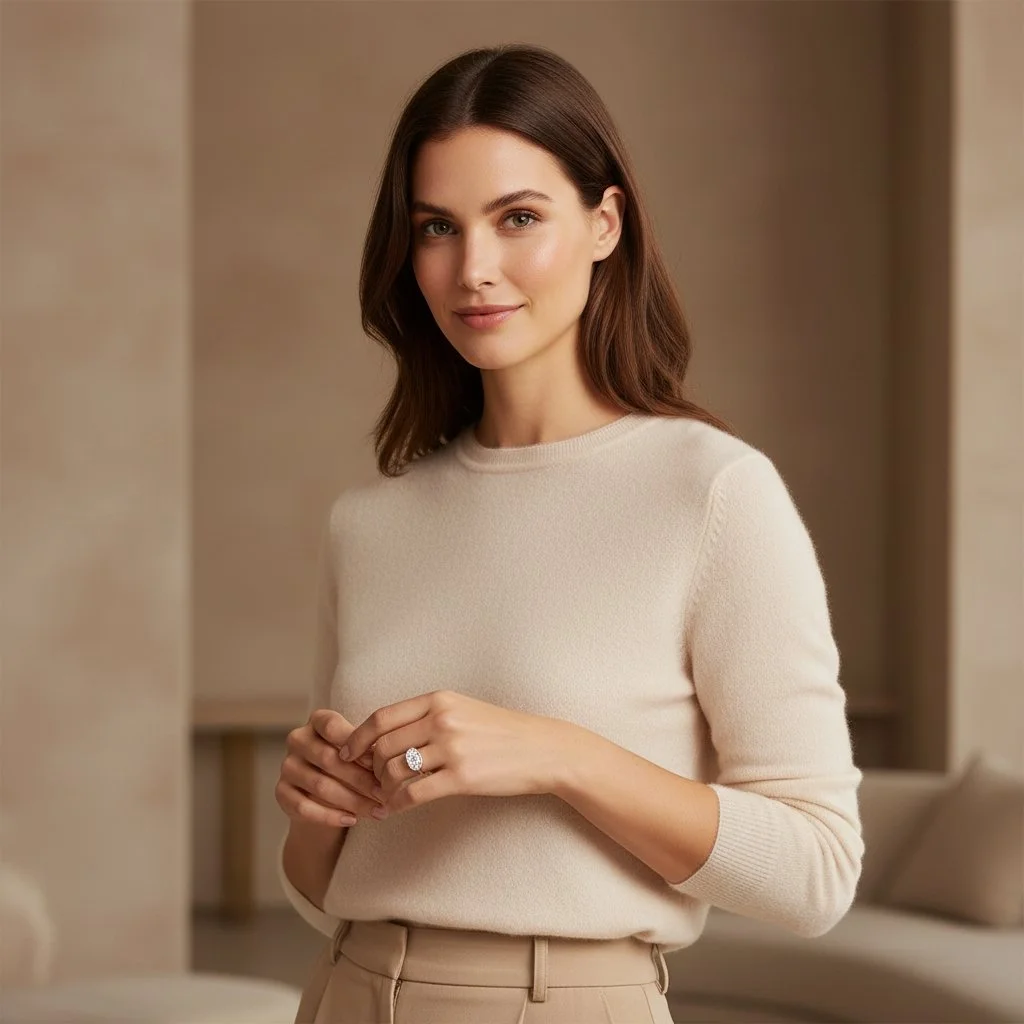
A ring is more than something to admire. You live in it. For this reason, when we design luxury engagement rings, wearability matters as much as beauty.
Settings change the daily experience more than people expect:
Prongs lift the diamond and feel classic.
Bezels offer sleek protection and a modern edge.
Cathedral settings add elegant structure.
Pavé and channel accents add sparkle but have different maintenance requirements.
Metal choice sets the tone. White metals feel crisp and bright. Yellow and rose gold bring warmth and contrast. We usually suggest matching the metal to what you already wear most often.
Bandwidth and profile matter too. Ultra-thin bands look delicate, but can feel fragile. Very wide bands feel bold, but aren’t for everyone. The goal is balance.
Side stones can add symbolism and enhance proportions, but the center diamond should always remain the star of the design.
Step 4: Use a Practical Checklist Before You Commit
Step 4 is where you slow down and make sure every detail supports a ring meant to be worn for a lifetime.
Ring size is worth getting right before anything is set in motion. A small difference can change comfort and how the ring rotates on your finger. Fingers also shift with season and routine, so it’s smart to measure when your hands are at a normal temperature.
Certification matters because it puts the details in writing, so you know what you’re buying. Ethics matter as well. We work with ethically sourced, conflict-free diamonds supported by independent certification.
Timing is part of the process. Bespoke rings require sourcing stones, design revisions, and hand finishing, so leave some breathing room.
Aftercare should be planned from the start. We offer a lifetime warranty, complimentary annual cleaning, one-time resizing within the first year, and insured shipping.
When these details are in place, you’re not just choosing a beautiful ring; you’re choosing one that feels considered, secure, and ready for everyday life.
How Hourglass Helps You Choose With Confidence
An ultimate experience should feel guided, not pressured. That’s how we approach luxury engagement rings at Hourglass Diamonds.
A design consultation is the first step in the process. Justin personally guides you through each step. You’ll receive high-resolution images and videos to review, and once you’ve narrowed your options, we can ship the chosen stone in for you to view in person.
From there, we use a 3D CAD model to fine-tune the design before casting and hand-setting the ring. After completion, your ring can be picked up or delivered with insured delivery. You can also review care and cleaning guidance and, as applicable, receive an appraisal, information about jewelry insurance, and diamond certification.
We don’t rush you, and you’re never left guessing.
Begin Your Bespoke Engagement Ring Journey
If you’re looking for diamond engagement rings that feel deeply personal and are designed to wear beautifully every day, it starts with a conversation. We’ll help you shape the details from stone to setting, with care at each step.
Explore Hourglass Diamonds' Bespoke Process and start your engagement ring design.
